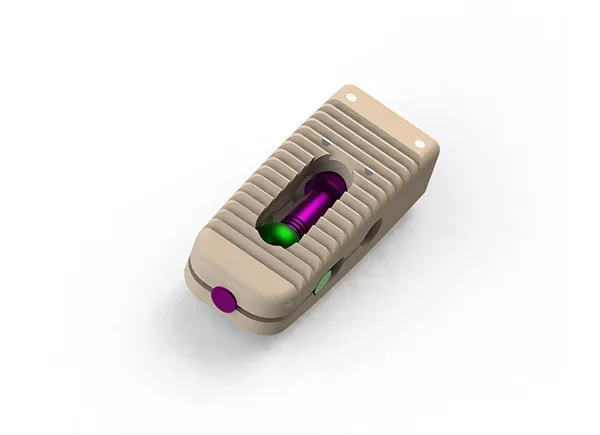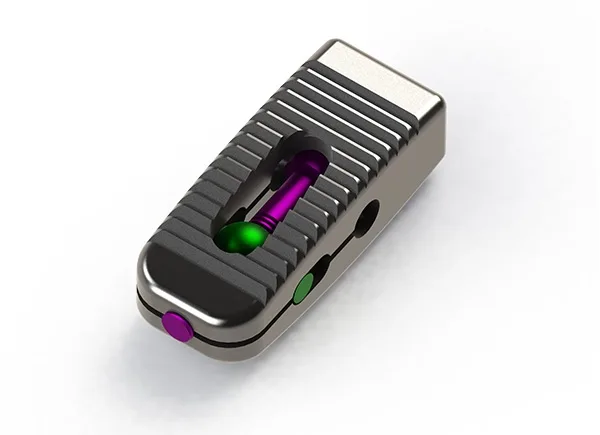
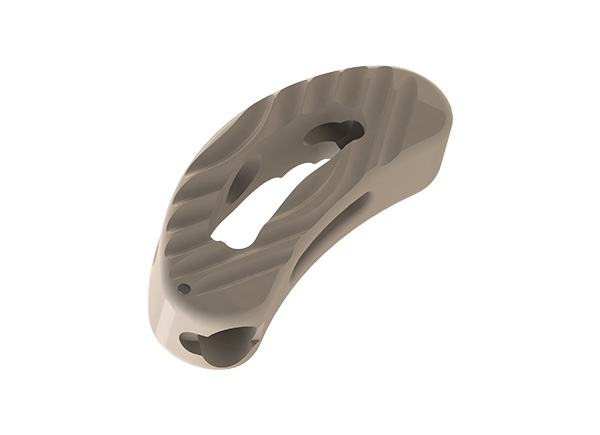
Lumbar TLIF Cage, RIGID PEEK

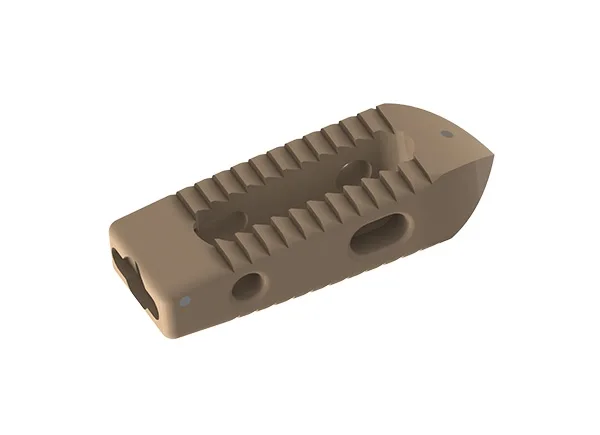
ALIF-XLIF-PLIF-TLIF-MULTIXLIF Lumbar Cage systems are made of TITANIUM or PEEK (Polyether Ether Ketone) raw material and conform to the anatomy of the lumbar disc. XLIF consists of components connected to each other by a one-way bridge from the central section. TLIF, ALIF and PLIF take the form of an anterior disc connected by three one-way bridges from the central section. ALIF-PLIF-TLIF-MULTIXLIF consist of a single component.

The upper surfaces of the superior and inferior parts of the ALIF-XLIF-PLIF-TLIF-MULTIXLIF systems are toothed, which both prevents any slipping out of the disc space and ensures a controlled load exchange with the end plates. They are also specially manufactured from TITANIUM or PEEK, and the tooth structure on their surfaces keeps the material engaged in the bone tissue and prevents it from slipping.
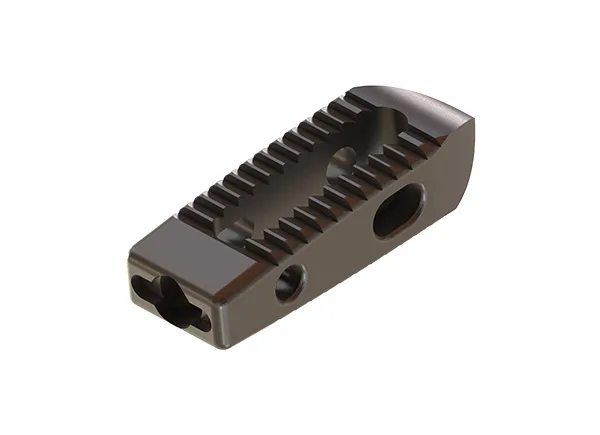
General Features of the Products

  • Sufficient stability
  • Anatomical design with a good fit
  • Compatibility that minimizes dural damage
  • Early rehabilitation in the postoperative period without the need for any external support
  • Restoration of disc height
  • Homogeneous load distribution
  • Restoration of lordosis
  • Preservation of end plate integrity, with an anatomical design that fits the end plates well
  • Optimal fusion bed
  • Minimized operating time with the use of a single lumbar cage
  • Early treatment in the postoperative period without the need for any external support
  • Less nerve damage during implantation thanks to its atraumatic outer surfaces
  • Operative efficiency and flexibility
  • Easy-to-use instruments
  • Internal design suitable for grafting
  • Operational efficiency and durability
  • Minimal damage to surrounding tissue
  • Compatibility with different surgical techniques
  • Controlled and even expansion
  • Easy implantation

Indications

  • Vertebral body destruction with kyphosis
  • Segmental instability
  • Epidural/paravertebral abscess requiring extensive bone resection
  • Stabilization after treatment of a herniated cervical intervertebral disc
  • Osteophytosis compressing the nerve roots and/or spinal cord
  • Degenerative intervertebral instability
  • Degenerative disc diseases and spinal instabilities
  • Cervical spine trauma
  • Radiculopathy
  • Myelopathy