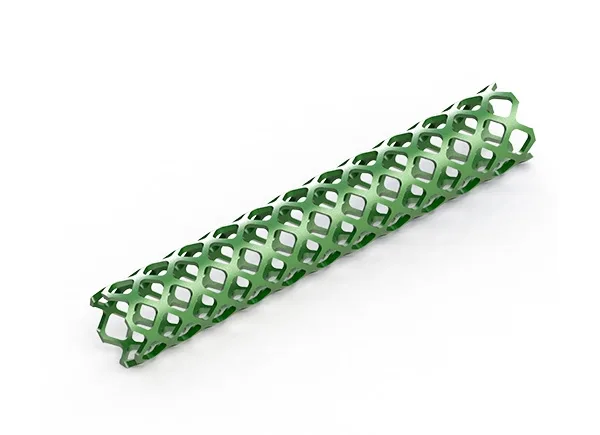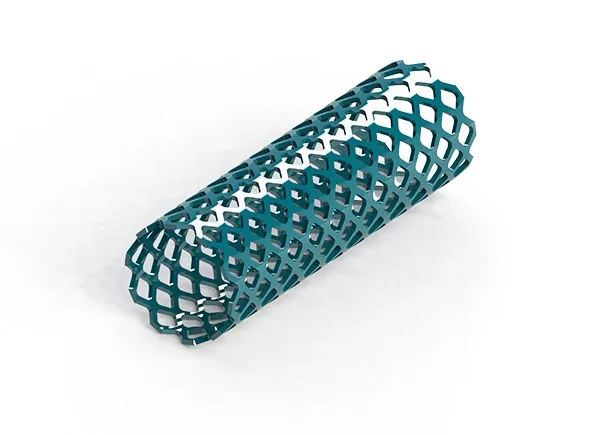
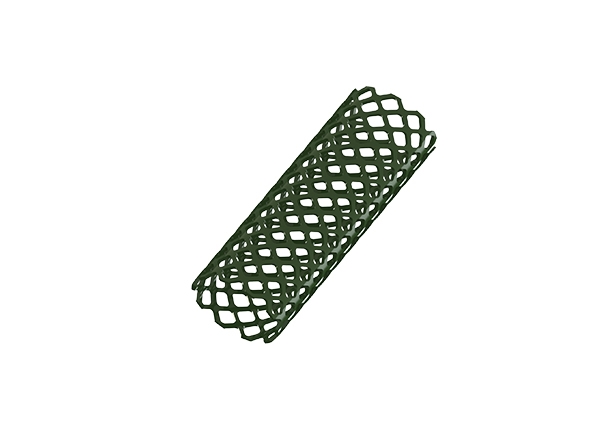
The SPINAL STABILIZATION AND FIXATION SYSTEM consists of many types of screws, dynamic and rigid rods, titanium/PEEK/carbon/Co-Cr-Mo rods with or without hexagonal heads, transverse connectors, cross connectors, connection connectors and many types of hooks. The screws used for fixation to the spine are monoaxial, polyaxial, hemispherical, cannulated, non-cannulated, low-profile head or spondylolisthesis screws. All these components come in two separate containers or boxes, in various sizes, configurations and implant and instrument variants. The implants are made of titanium, titanium alloys, PEEK (including barium sulfate) and Co-Cr-Mo because of their high biocompatibility and better visibility on MRI or CT scans.
To offer surgeons a wider choice of treatment better suited to patient pathology, the SPINAL STABILIZATION AND FIXATION SYSTEM includes three different interchangeable fixation options, all using the same range of pedicle screws. Because of their flexibility and high biocompatibility, some Spinal Stabilization and Fixation System rods are made of titanium alloys, PEEK (including barium sulfate), Co-Cr-Mo and carbon materials. In addition, the screws can be coated with hydroxyapatite (HA) to enhance the biological response.